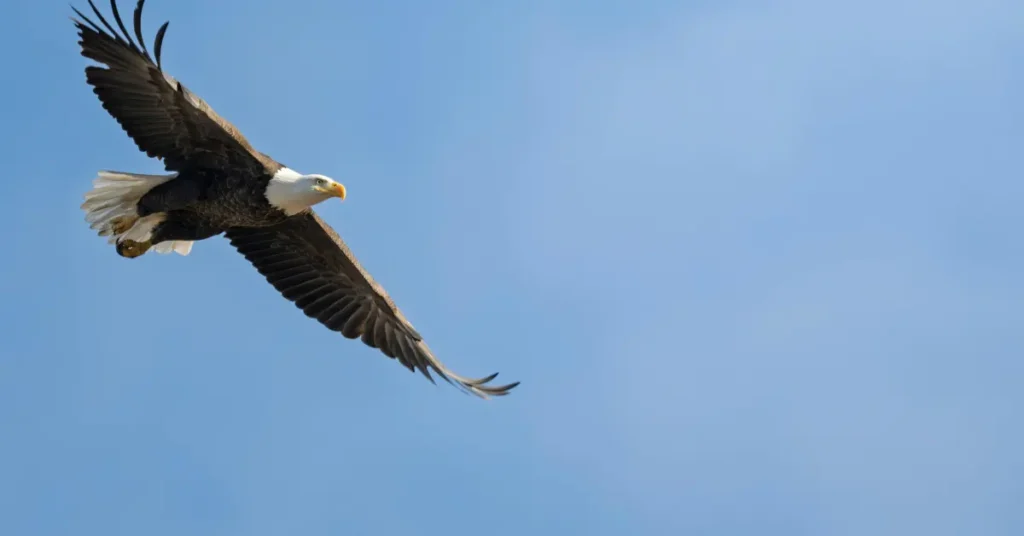
Who hasn’t been captivated by a hawk in low flight or by the enormous eyes of an owl perched on a branch? Birds of prey have this unique quality: they captivate everyone.
But this fascination, when misguided, can turn a wild animal into a domestic captive. And in that case, both sides suffer.
Embora algumas aves de rapina possam viver sob cuidados humanos legalizados e especializados, elas não são animais de companhia convencionais. São espécies silvestres que exigem manejo técnico, estrutura adequada e profundo conhecimento sobre comportamento, alimentação e bem-estar.
In this article, we will explore the biological and behavioral characteristics that distinguish these birds of prey from traditional pet birds, as well as the role of rehabilitation.
What are birds of prey?
Birds of prey, also known as raptors, are natural predators equipped with adaptations that make them exceptional hunters.
This group includes eagles, hawks, falcons, owls, vultures, and kites, among others.
Birds of prey vs. pet birds: what's the difference?
Birds of prey are very different from pet birds. They have strong talons, curved beaks, extremely sharp vision, and a hunting instinct that cannot be tamed.
Já espécies comumente mantidas sob cuidados humanos, como calopsitas e alguns psitacídeos legalizados, apresentam maior tolerância à convivência com pessoas quando manejadas adequadamente.
See the table below for some of the key characteristics of birds of prey that distinguish them from pet birds.
| Birds of prey | Pet birds |
| Equipped for hunting | Designed for shared living |
| Strong, curved claws (serrated) | Maior adaptação ao manejo humano |
| Hooked beak for tearing prey | Social behavior with humans |
| Vision up to 8 times sharper than human vision | Vocalization as a form of communication |
| Silent flight (of owls) | Designed for smaller spaces |
| Wide range: they can fly hundreds of kilometers | Controlled breeding in captivity |
| An innate and indomitable predatory instinct | Maior tolerância ao manejo em ambiente controlado |
It is clear that the difference goes beyond biology; it lies in behavior and, above all, in the way these animals live.
Birds such as parrots and cockatiels have, over time, adapted to living with people, whereas birds of prey have not.
No Brasil, a manutenção de aves de rapina sob cuidados humanos depende de autorização, licenciamento e manejo especializado. Fora desses contextos, a captura e manutenção ilegal desses animais causa sérios impactos ao bem-estar e à conservação das espécies.
Why can't birds of prey be kept as pets?
The wildlife trade is the third-largest criminal network in the world, surpassed only by drug trafficking and the illegal arms trade.
In Brazil, more than 38 million animals are taken from the wild every year, and birds are the hardest hit.
When a bird of prey is taken from its natural habitat while still a chick, it loses the opportunity to learn essential behaviors from its parents, such as hunting, flying at high altitudes, and navigating.
Without this learning, she cannot survive on her own in the wild. In domestic captivity, confinement, a lack of stimulation, and the inability to act on instinct cause the bird to suffer constantly.
The role of animal rehabilitation
Not every rescued bird is able to return to the wild. And that’s a side of things that few people see.
Animals that have spent years in captivity, suffered injuries, or become too accustomed to human presence are often no longer able to survive on their own. Releasing them in such cases would not be caring for them, but rather abandoning them.
É nesse ponto que entra o trabalho de reabilitação de animais. No Zoo Park Foz, chegam aves vindas de situações bem delicadas como tráfico, maus-tratos e acidentes.
Quando a reabilitação e o retorno à natureza são viáveis, esse é sempre o objetivo prioritário.
Em situações em que a soltura não é possível, os animais permanecem sob cuidados especializados, contribuindo também para ações de educação ambiental e conscientização pública.
No caso dessas aves, este propósito ganha forma nos voos das aves de rapina, realizados com equipe técnica especializada.
Falconry: a practice dating back thousands of years in the service of conservation
Falconry is one of the oldest forms of interaction between humans and birds of prey.
Recognized by UNESCO as an intangible cultural heritage of humanity, it is based on a relationship of trust and mutual support.
No Eco Park Foz, os voos das aves de rapina acontecem às 10h30 e às 16h. Têm como principal objetivo promover educação ambiental, sensibilização do público e demonstração de comportamentos naturais das aves, sempre com manejo técnico especializado inspirado em princípios da falcoaria.
You’ll watch birds of prey soar freely in an open space, guided by environmental educators who will share the history of these species, their ecological importance, and the rehabilitation efforts behind each animal.
FAQ: Common Questions About Birds of Prey and Their Characteristics
No. They have natural instincts that prevent them from adapting to a home environment.
In most cases, no. Brazilian law restricts the ownership of wild animals.
They aren't aggressive for no reason, but they do exhibit hunting and defensive behaviors.
They are all birds of prey, but they vary in size, flight style, and hunting strategy. Eagles are usually larger, falcons are faster, and hawks are more adaptable to different environments.
Yes. The difference is that the owl is a nocturnal bird of prey, adapted to hunting in the dark.
No Zoo Park Foz, você pode acompanhar os Voos das Aves de Rapina, com orientação de profissionais e foco em educação ambiental.
Admiration is also a form of care
The difference between a bird of prey and a pet lies not only in their behavior. It lies in the place each occupies in the world.
Birds of prey need space, flight, and the freedom to behave naturally. And when that is no longer possible, the focus shifts to something else: rehabilitating them when possible and ensuring they live with dignity when it isn’t.
Se você quer viver essa experiência de perto, com orientação e propósito, vale conhecer o trabalho do Zoo Park Foz e acompanhar os voos das aves de rapina. Garanta seu ingresso com antecedência.